

 Facebook
 X
 Pinterest
 Copy Link
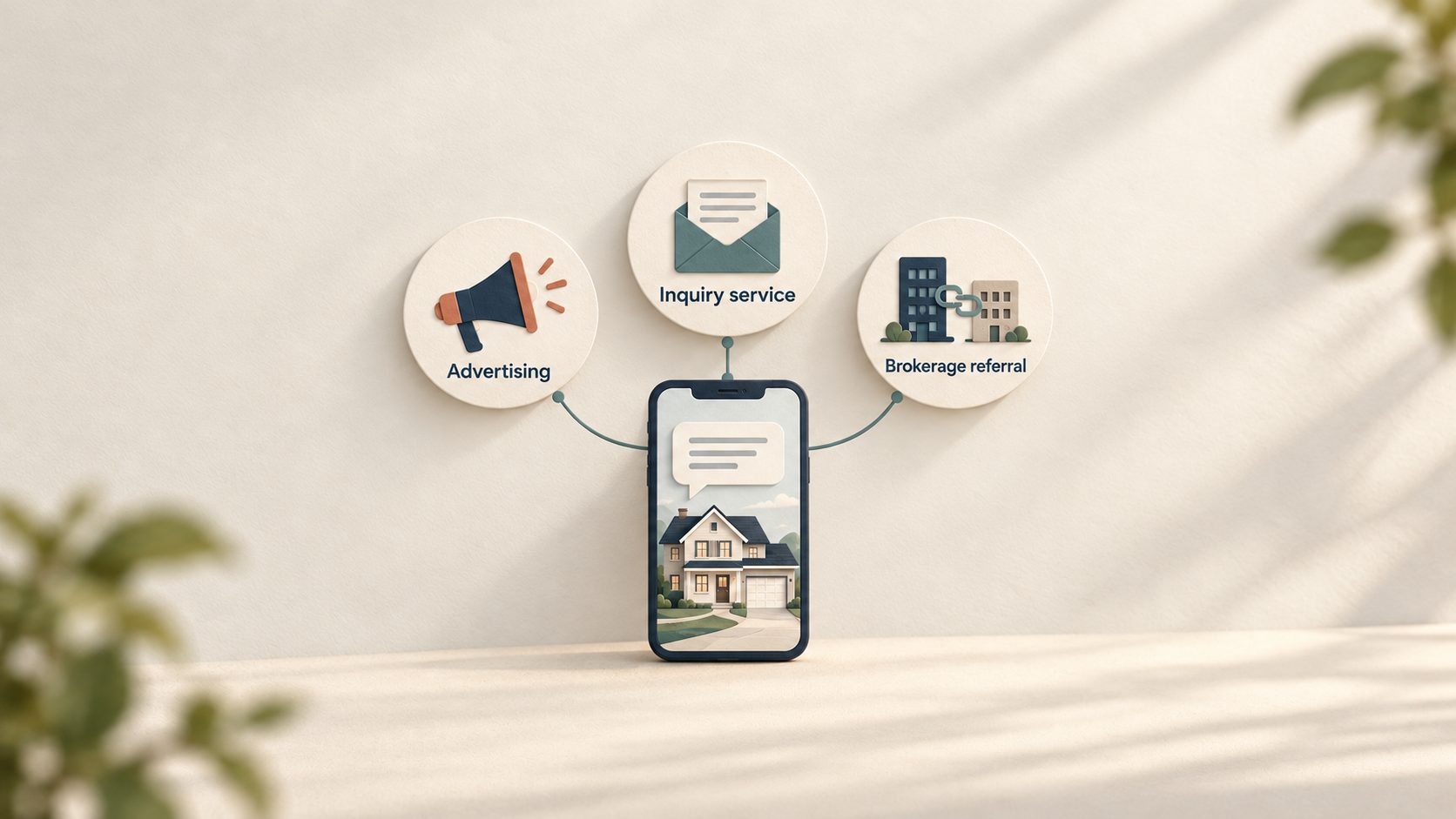
You request information about a house, and an agent gets in touch. Somewhere behind that introduction, a business may have paid for advertising, an inquiry, or a referral. Understanding how real estate leads are bought helps you ask better questions about that connection. It also helps you separate the cost of finding a potential client from the terms of representing one.
In Part 1 of Behind the Real Estate Transaction, we looked at what can happen after you click “Request Information.” This week, we will follow the business arrangement behind the introduction.
How Real Estate Leads Are Bought: Start With What Is Being Purchased
In this context, a “lead” is an inquiry or potential business opportunity. It is not a completed sale or a promise that someone will hire the agent.
Ask what the company is actually providing. Advertising exposure, contact information, a conversation with a prospective buyer, and a brokerage referral describe different things. The label on a sales page does not explain every part of the arrangement.
Advertising and Prepaid Inquiries
An agent or brokerage may pay for advertising before knowing whether it will produce a client. Separately, a lead program may charge upfront for inquiries. In that model, the expense can exist even when no purchase follows.
Here is a simplified hypothetical example: an agent pays for an advertising campaign. Several people request information, but none chooses to move forward. The campaign still involved an expense. Whether any credit or refund is available depends on its terms.
For a buyer, the useful question is how the person responding was selected. Was your inquiry sent because you selected that professional, because of an advertising arrangement, or through another routing process?
Referral Compensation Connected to a Closing
Another arrangement connects a prospective client with a participating brokerage and provides for a referral fee if the transaction meets the agreement's conditions, such as closing.
That changes when the business pays. It does not tell you, by itself, what services you will receive or what you may owe.
Certain referral-fee arrangements between real estate agents and brokers acting in a brokerage capacity are permitted under federal law. That limited exception does not make payments for referrals to lenders, title companies or other settlement-service providers automatically lawful. The parties, services and agreement must meet applicable legal requirements.
Combinations and Additional Services
A business relationship may include more than one component, such as advertising and software for managing inquiries. When reviewing an explanation, ask which part pays for exposure, which part pays for actual services, and whether any separate referral arrangement applies.
These descriptions explain possible payment structures. They do not establish that a particular program complies with the law.
The Legal Distinction Matters
For transactions involving federally related mortgage loans, RESPA Section 8 restricts payments for referrals of settlement-service business. However, Regulation X also recognizes specified permissible payments, including qualifying brokerage referral arrangements when the parties act in a real estate brokerage capacity. That provision does not extend to arrangements between real estate brokers and mortgage brokers.
The CFPB's RESPA FAQs explain that payment for genuine marketing services requires a fact-specific review. The services must actually be performed, and payment must relate reasonably to their value. Calling a payment “marketing” does not resolve that analysis.
Federal requirements are only part of the review. Ask the brokerage to explain how an arrangement complies with the requirements that apply where the property is located. This article provides general education, not a legal opinion about any company or contract.
What Does This Mean for Your Costs and Choices?
Keep three questions separate: who paid to create the connection, how the brokerage would be compensated for representation, and what your agreement would require you to pay.
You cannot calculate your obligation from the lead model alone. Ask for the proposed compensation terms and an explanation of any fees you would owe, when they would be due, and whether any payment by another party would count toward that obligation.
The NAR consumer guide to negotiating buyer agreements explains that compensation is negotiable and is not set by law. That is a useful starting point for a direct conversation before you agree to services.
Also evaluate the professional relationship itself. Can the agent explain the property, the local process, and the proposed services clearly? Are the communication plan and scope of work a fit for your needs? How the introduction happened is one part of that decision.
Questions to Ask Before Moving Forward
You can keep the conversation straightforward:
- How did my inquiry reach you, and which brokerage are you with?
- Are you the listing agent, or would we be discussing buyer representation?
- Was this connection created through advertising, a prepaid inquiry, or a brokerage referral?
- Does a referral arrangement apply, and does it affect anything I would owe?
- What services and compensation would our proposed agreement cover?
- If I already have an agent, how should we handle this inquiry?
The Bottom Line
An online introduction can be a useful starting point. Take the time to understand the business connection and the separate terms of working together.
Contact Casey through the Contact Me form with your questions about a connection, referral arrangement, or representation conversation. You can describe what you clicked and what the agent told you without sending private financial information.
Next in Behind the Real Estate Transaction: where negotiated brokerage compensation may go before it becomes an individual agent's income.
Ask about a connection or referral
Casey Cornelius, REALTOR®
Coldwell Banker Kennon & Parker
Columbus, GA | Phenix City, AL | Fort Benning Area
Phone: 910-527-3714
Email: casey.cornelius@kpdd.com
