

 Facebook
 X
 Pinterest
 Copy Link
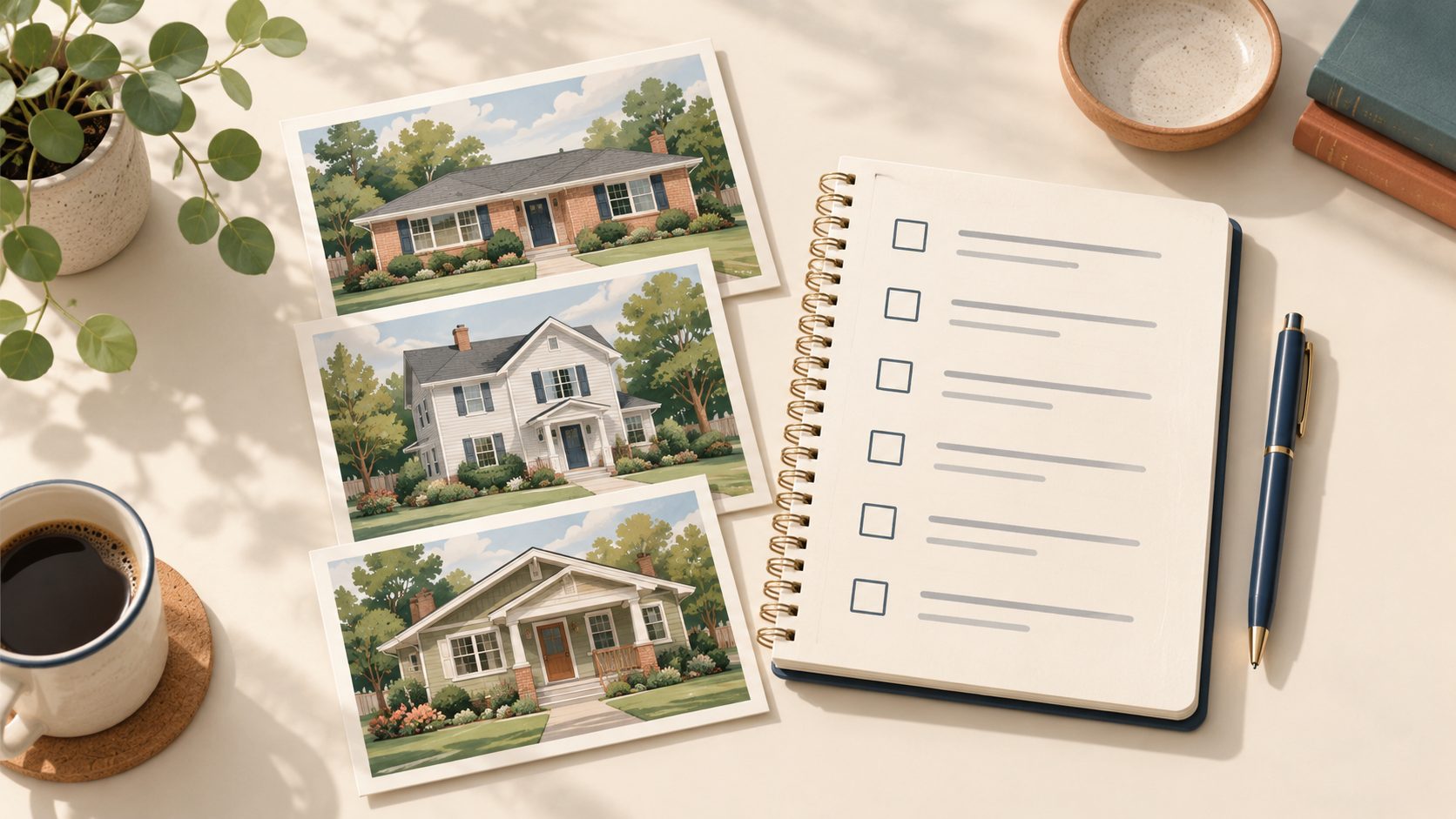
After several showings, the homes can start to run together. You remember one kitchen, another backyard, and a room you cannot quite place. When you are touring homes in Columbus and Phenix City, a consistent comparison method helps you keep the details straight and identify what still needs an answer.
You do not need an elaborate spreadsheet. A page of notes for each property can be enough, as long as you use the same questions each time.
Before Touring Homes in Columbus and Phenix City, Set Your Priorities
Write down your must-haves before the first appointment. Keep that list short enough to be useful.
Examples might include a main-level bedroom, space for a home office, a particular parking need, or a manageable route to work. Separate those requirements from preferences you could compromise on, such as a paint color or a specific countertop.
If you are still deciding what matters in the broader search, start with what to consider before choosing an area in Columbus.
Bring the same priority list to every showing. Otherwise, an attractive feature at one home can quietly replace the criteria you intended to use.
Use the Same Six Categories at Every Home
Record the address, showing date, and listing link. Then use these six headings for each property.
1. Daily Layout
Think through an ordinary morning, workday, and evening. Where would you put furniture? Can you move comfortably between the spaces you use most? Does the storage fit what you own?
Write down any important dimension to verify. A room looking large in a photo does not establish that your desk or dining table will fit.
2. Condition and Follow-Up
Note visible concerns and questions about the roof, heating and cooling, drainage, windows, plumbing, and other features that matter to your decision. Ask for available repair records and disclosures.
Keep observations separate from conclusions. “Stain on the ceiling; ask about its history” is more useful than deciding during a walkthrough that you know the cause or repair cost.
A tour does not replace a professional inspection. The CFPB's home-inspection guidance explains why an independent assessment matters and distinguishes an inspection from an appraisal. Any inspection rights and deadlines need to be addressed through your actual purchase contract.
3. Location and Daily Travel
Consider the routes you would actually use, including your workplace and regular errands. If Fort Benning access matters, check the gate and access arrangements relevant to your routine through current official information.
Treat a map's travel estimate as a starting point. When practical, test the route at a relevant time. Record the route, day, and time so you remember what you actually checked.
If school assignment matters, verify the exact address with the appropriate school district. Keep the conversation focused on your needs and verifiable information rather than generalized neighborhood or school rankings.
4. Ongoing Cost Questions
Compare more than the asking price. Leave space for property-tax estimates, insurance quotes, HOA dues, utilities, and likely maintenance questions.
The CFPB's Loan Estimate explainer shows how taxes, insurance, and other assessments can affect the estimated total monthly payment. It also explains that some property costs may be paid separately rather than through escrow.
Ask your lender and insurance professional for property-specific information. Do not treat a seller's current bill or an online payment calculator as confirmation of your future cost.
5. Rules and Practical Use
If there is an HOA, ask for the applicable documents, current dues, and information about assessments. Identify any rules relevant to your plans, such as parking, exterior changes, or renting the property.
Verify important questions through the appropriate records and professionals. A fence, addition, or detached building may need further review of boundaries, permits, or permitted use. Seeing it during a tour does not answer those questions.
6. Timing and Unanswered Questions
Record what is known about availability, the seller's proposed timing, and any occupancy issue. Have your agent confirm the current information rather than treating a listing remark as a complete agreement.
For a new-construction option, record what is included, what remains to be built, and which incentive terms need verification. My guide to new construction and builder incentives provides a useful starting point for that conversation.
Make the Comparison While It Is Fresh
After each tour, take a few minutes to finish your notes. For every important criterion, use one of three labels: “fits,” “does not fit,” or “needs verification.”
Then record the strongest reason to keep the home on your list and the biggest unresolved question. Give a must-have more weight than an appealing extra. Keep an unanswered issue visible even when you like the property overall.
When you review the shortlist, compare the same categories side by side. The goal is a clear explanation of your preferences and the information needed to move forward.
Bring Your Shortlist Into Focus
Send Casey the listing links on your shortlist, along with your must-haves and unresolved questions. We can use them for a focused comparison conversation.
An upcoming article will cover what to verify at a second showing before considering an offer.
Casey Cornelius, REALTOR®
Coldwell Banker Kennon & Parker
Columbus, GA | Phenix City, AL | Fort Benning Area
Phone: 910-527-3714
Email: casey.cornelius@kpdd.com
